The Physics of Ground Effect
At high speeds, air passing beneath a vehicle moves faster than air passing over the top, creating a pressure differential that can either stabilize the car or cause dangerous aerodynamic lift. The primary role of a high-performance rear diffuser is to slow down this underbody air smoothly, expanding its volume and creating a low-pressure vacuum that pulls the chassis down toward the asphalt.
At SPEEED, our rear diffusers feature aggressive vertical strakes and extended venturi channels engineered to prevent turbulent air detachment behind the rear bumper, reducing wake drag significantly.
Integrating Active Aero Systems
Modern supercars utilize complex active aerodynamic systems, including computer-controlled rear wings and front air flaps that adjust based on speed and braking forces. Installing aftermarket body components can often disrupt these delicate electronic sensors.
Our engineering team designs all SPEEED carbon components to integrate seamlessly with factory active aero actuators. Our carbon wing elements match OEM weight profiles to prevent strain on drive motors, allowing active airbrakes to deploy smoothly without triggering onboard fault codes.
Functional Splitters & Canards
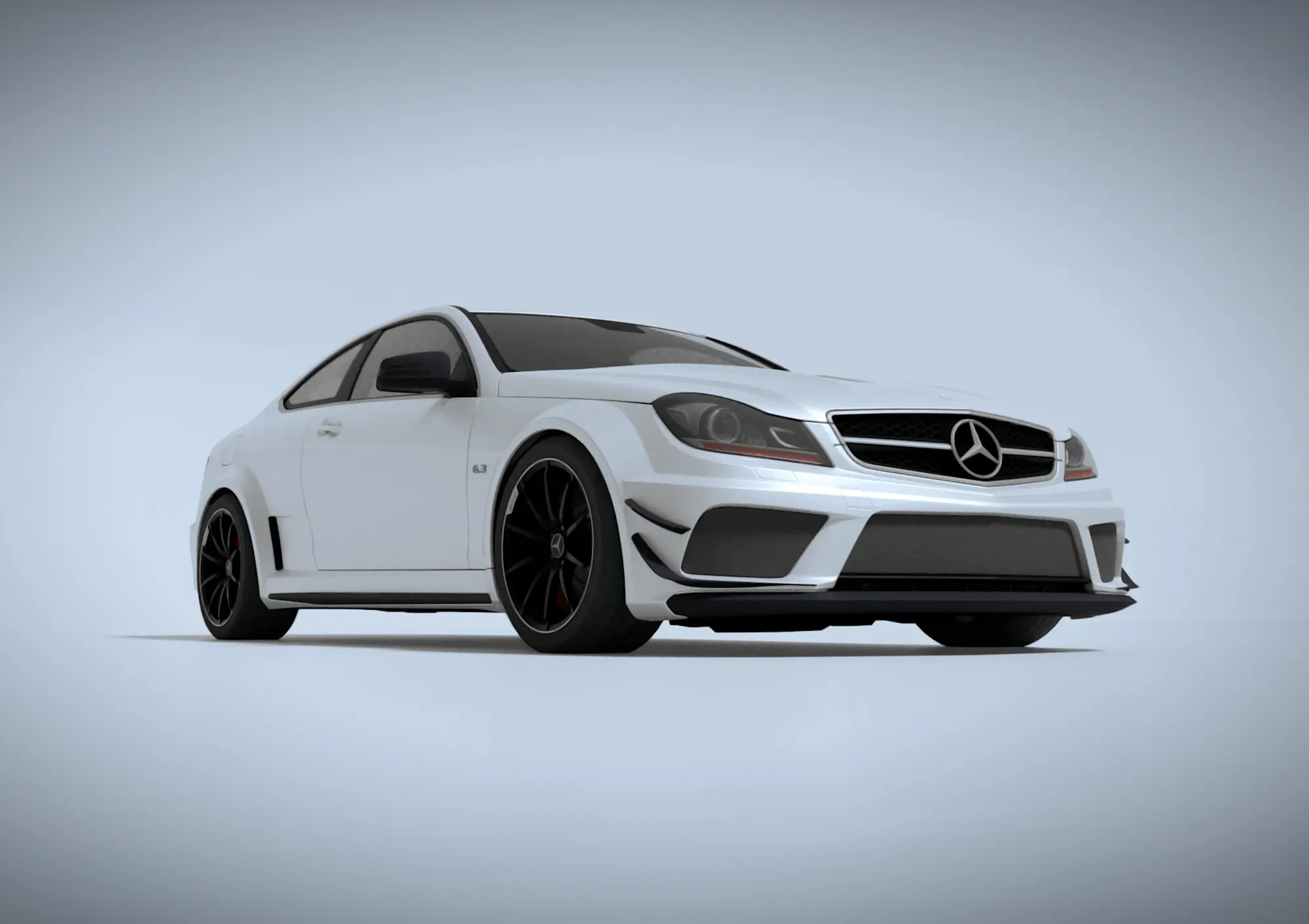
Front splitters and side winglets (canards) act as the first point of contact for oncoming airflow. By directing high-pressure air over the hood while sealing the underbody sides, SPEEED front aero kits prevent high-pressure air from seeping beneath the vehicle. This creates front-axle downforce, eliminating high-speed understeer and improving turn-in precision on track environments.